
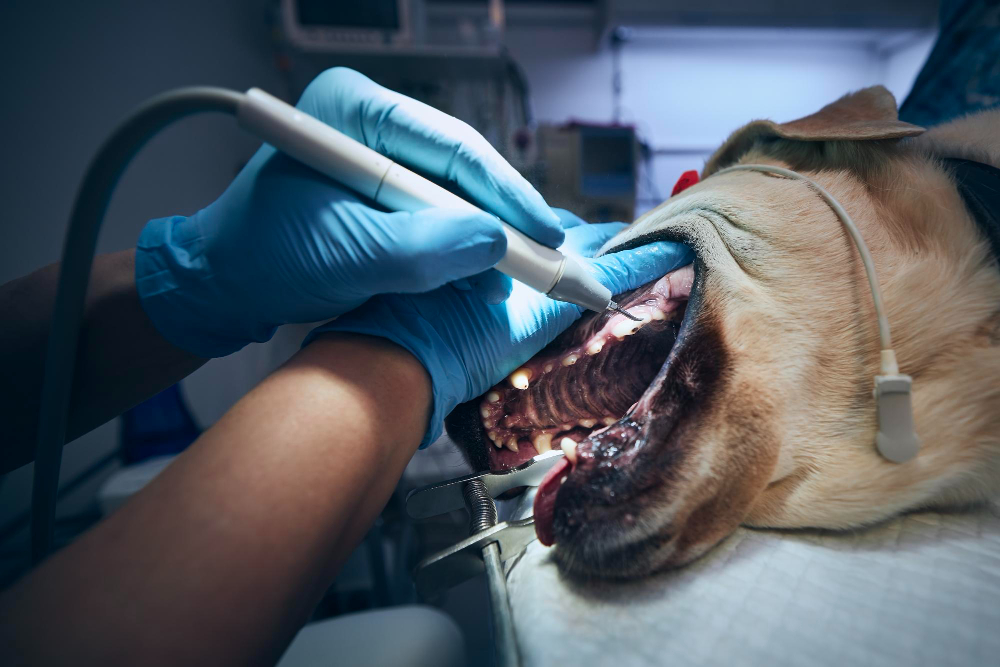
What Are Dental Diseases in Pets?
Dental diseases in pets are common health problems. They affect the teeth, gums, and mouth of dogs and cats. In fact, the American Veterinary Medical Association (AVMA) states that most pets show signs of dental disease by age three. Because dental diseases in pets can cause pain and other health issues, early care is important. Pet dental care helps keep your furry friend healthy and happy.
Common Symptoms of Dental Diseases in Pets
Often, pets hide their pain. However, you can watch for signs of dental disease in dogs and cats. Early detection helps prevent serious problems. Look for these symptoms:
If you notice any of these signs, your pet may have a dental problem. Therefore, it is best to act quickly.
Causes and Risk Factors
Dental diseases in pets often start with plaque. Plaque is a sticky film of bacteria on teeth. Over time, it hardens into tartar. This can lead to gum disease and tooth loss. Several factors increase the risk:
Because these factors can add up, regular pet dental care is important. According to the World Small Animal Veterinary Association (WSAVA), daily brushing and routine checkups help lower risk.
How Dental Diseases Are Diagnosed in Pets
Veterinarians use several steps to diagnose dental diseases in pets. First, they check your pet’s mouth during a physical exam. Next, they may use dental X-rays to see problems below the gum line. Sometimes, pets need anesthesia for a full oral exam. This helps the vet spot hidden issues. Early diagnosis leads to better treatment and less pain for your pet.
Treatment Options for Pet Dental Diseases
Treatment depends on the type and severity of the dental disease. Your veterinarian may suggest:
After treatment, follow your vet’s advice for home care. This helps prevent future problems. In many cases, regular cleanings and checkups keep your pet’s mouth healthy.
Prevention and Home Care Tips
Preventing pet dental problems is easier than treating them. With good habits, you can protect your pet’s oral health. Try these pet oral health tips:
Because prevention is key, start dental care early in your pet’s life. Even older pets benefit from better oral care.
When to See a Veterinarian
If you notice any symptoms of dental disease, contact your veterinarian. Early treatment can prevent pain and serious health issues. Also, schedule yearly dental exams for your pet. Your vet can spot problems before they get worse. Remember, healthy teeth mean a happier pet.
For personalized advice on your pet’s dental health, consult the best veterinarian Dr. Shubham Pant. They can help you create the best plan for your furry friend.