
Introduction to Dental Diseases in Pets
Dental diseases in pets are common health problems for dogs and cats. These conditions affect the teeth, gums, and mouth. Early care is important because dental issues can lead to pain, infection, and even problems in other organs. In fact, many pets show signs of dental disease by age three. Therefore, knowing how to spot and prevent these problems helps keep your pet healthy and happy.
Common Symptoms of Dental Diseases in Pets
Pets cannot tell us when they have mouth pain. However, you can watch for signs of dental disease in dogs and cats. Early detection makes treatment easier. Look for these symptoms:
Because these symptoms can be subtle, regular checks at home and by your vet are key.
Main Causes and Risk Factors
Dental diseases in pets often start with plaque. Plaque is a sticky film of bacteria on the teeth. Over time, it hardens into tartar, which can damage gums and teeth. Several factors raise the risk of dental problems:
Additionally, pets with crowded teeth or misaligned jaws may develop dental issues faster.
Diagnosis Methods
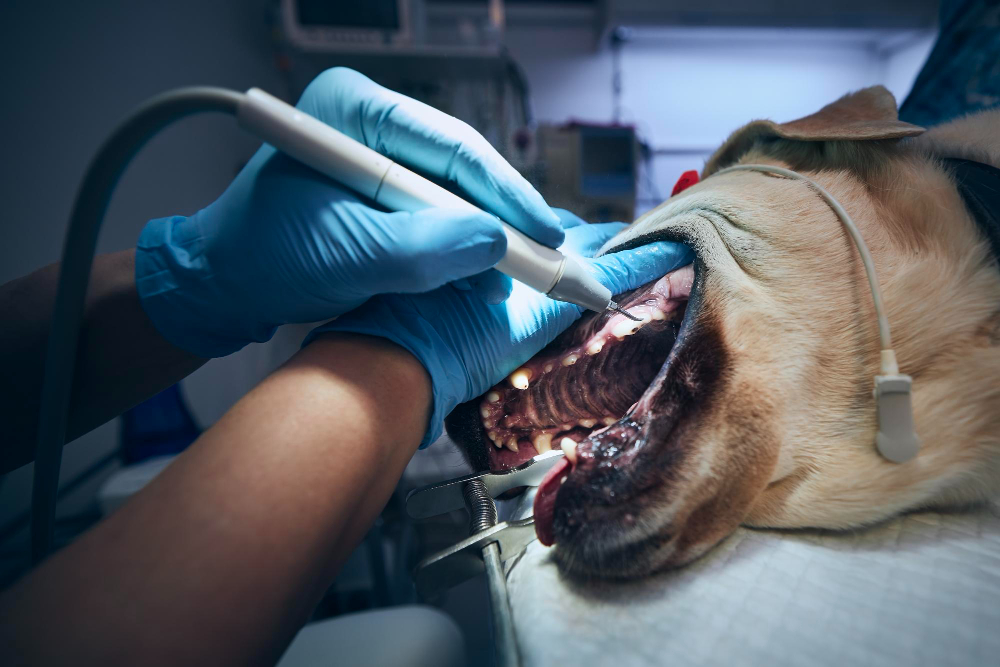
Veterinarians use several methods to diagnose dental diseases in pets. First, they perform a thorough mouth exam. They look for signs like redness, swelling, or loose teeth. Sometimes, pets need sedation for a full check. Next, vets may use dental X-rays. X-rays help spot problems below the gum line. In some cases, vets use special tools to measure gum health. Early diagnosis allows for better treatment and less pain for your pet.
Treatment Options
Treatment for dental diseases in pets depends on the problem’s severity. Professional care from your vet is often needed. Common treatments include:
At home, you can help by brushing your pet’s teeth daily. Special dental chews and toys can also reduce plaque. However, always use products made for pets, not people.
Prevention Tips
Preventing pet dental problems is easier than treating them. Here are some pet dental care tips:
Because prevention starts at home, make dental care part of your daily routine.
Lifestyle Guidance for Pet Owners
Good dental health improves your pet’s quality of life. For example, pets with healthy mouths eat better and feel less pain. To help your pet, follow these steps:
Although dental care may seem hard at first, it gets easier with practice. Your pet will thank you with a bright smile and better health.
Conclusion
Dental problems in pets can cause bad breath, difficulty eating, drooling, swollen gums, and discomfort. Regular dental checks, proper oral hygiene, and timely treatment can help prevent painful conditions and support your pet’s overall health.
For expert dental care and comprehensive veterinary support, visit Shalihotra’s Vets and give your pet the healthy smile they deserve.