
What Are Ear Infections in Dogs?
Ear infections in dogs are common and can cause discomfort. These infections affect the ear canal and may involve the outer, middle, or inner ear. While any dog can get an ear infection, some breeds are more at risk. Early treatment helps prevent serious problems.
Common Symptoms of Ear Infections in Dogs
Recognizing dog ear infection symptoms early is important. For example, you may notice your dog scratching its ears more than usual. Other signs can also appear. Watch for these symptoms:
If you notice any of these signs, it is wise to act quickly. Early care can help your dog feel better sooner.
Main Causes and Risk Factors
Many things can cause ear infections in dogs. Often, bacteria or yeast are to blame. However, other factors may also play a role. For instance, allergies can make ears more likely to get infected. Here are some common causes and risk factors:
Because some dogs are more prone to ear problems, knowing these risks can help you prevent future issues.
How Ear Infections in Dogs Are Diagnosed
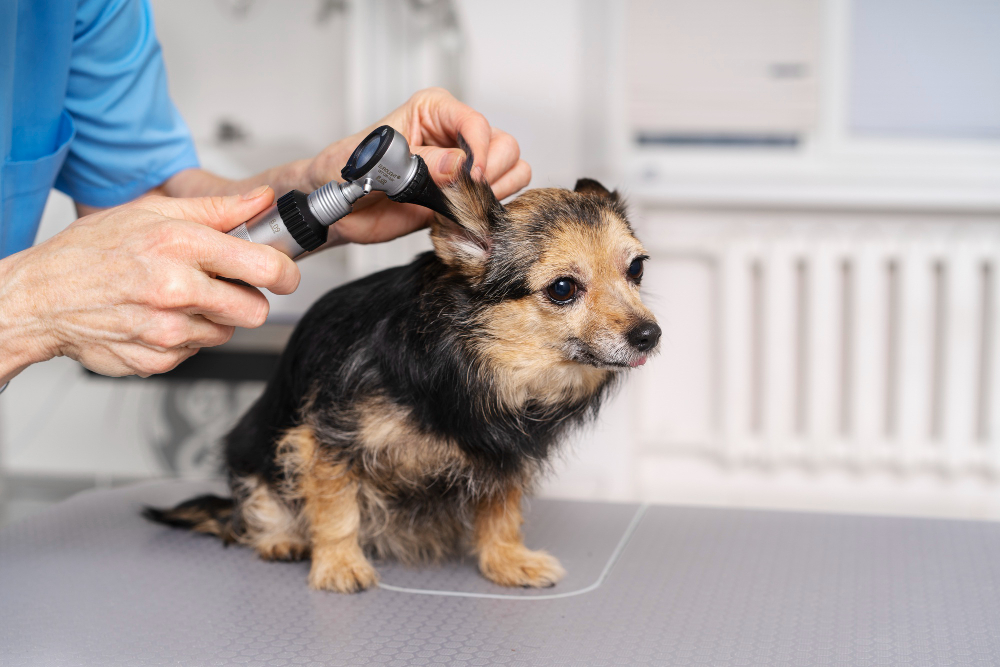
Veterinarians use several steps to diagnose ear infections in dogs. First, they will ask about your dog’s symptoms and health history. Next, they will examine the ear using a special tool called an otoscope. This tool lets them see deep inside the ear canal. Sometimes, the vet may take a sample of ear discharge. This sample is checked under a microscope to find bacteria, yeast, or mites. In rare cases, further tests like X-rays may be needed. Quick diagnosis helps guide the best treatment plan.
Treatment Options and Home Care Tips
Treating ear infections in dogs usually starts with cleaning the ear. Your vet may prescribe ear drops or oral medicine to fight infection. In some cases, anti-inflammatory drugs help reduce pain and swelling. For example, if ear mites are present, special drops will be used. Here are some home care tips:
With proper care, most dogs recover quickly. However, untreated infections can lead to serious problems.
Prevention Strategies for Dog Ear Infections
Preventing dog ear problems is easier than treating them. For instance, regular ear checks can catch issues early. Try these prevention tips:
Because prevention is key, these steps can help keep your dog’s ears healthy.
When to See a Veterinarian
Sometimes, home care is not enough. If your dog shows signs of pain, severe redness, or discharge, see a vet right away. Also, if symptoms do not improve after a few days of treatment, get professional help. Early action can prevent lasting damage to your dog’s hearing or balance.
Conclusion:
Ear infections can cause discomfort and irritation in dogs if left untreated.
Recognising early signs like scratching, redness, odour, or discharge helps in seeking timely veterinary care. Proper diagnosis and treatment can help protect your pet’s ear health and overall well-being.
Keep your furry friend healthy with timely ear care from Shalihotra’s Vets. Schedule a veterinary visit now.