
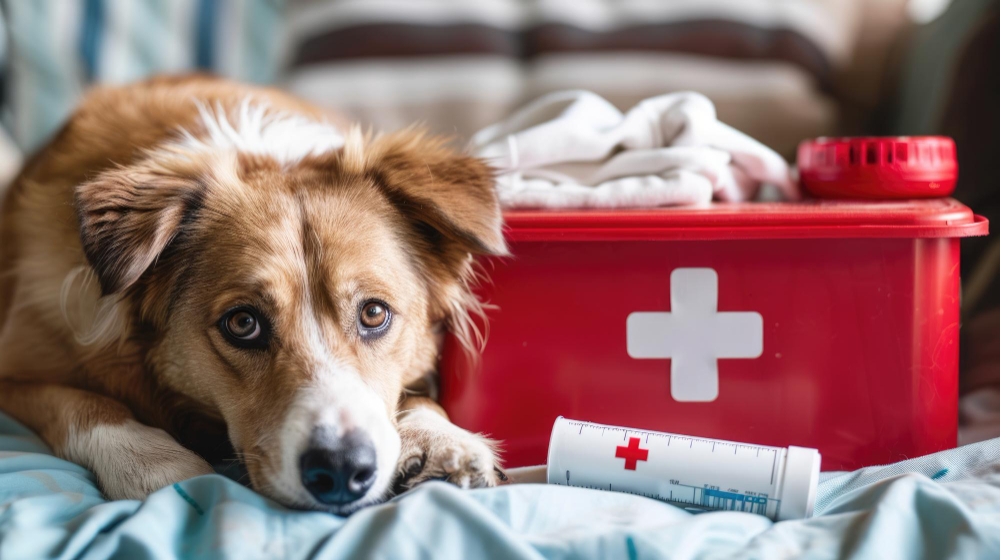
Importance of a Pet First Aid Kit
Every pet owner wants to keep their furry friends safe. Having a First Aid Kit for Pets at home helps you act fast during small emergencies. For example, pets can get cuts, bites, or even eat something harmful. Because accidents can happen anytime, being ready is key. According to the American Veterinary Medical Association (AVMA), quick action can prevent simple injuries from getting worse. Not only does a pet emergency kit give peace of mind, but it also helps you stay calm when your pet needs help. In addition, a well-stocked kit can make a big difference before you reach a vet.
Essential Items to Include
When building your pet emergency kit, it is important to know what to put in a pet first aid kit. While some items are similar to human kits, others are made just for pets. Below are the pet emergency kit essentials every owner should keep:
Because every pet is unique, you may need to add special items for your animal’s needs. For example, some pets need allergy medicine or calming sprays.
How to Store and Maintain Your Pet First Aid Kit
After gathering your supplies, you need to store your kit in a safe, easy-to-reach spot. For instance, keep it in a labeled box or bag. Make sure everyone in your home knows where it is. Additionally, check your kit every few months. Replace expired items and restock anything you use. If you travel with your pet, consider making a smaller kit for the car. This way, you are always prepared for pet safety at home or on the go.
Tips for Using First Aid Supplies Safely
Before giving first aid, always stay calm. Pets can sense stress and may become scared. Because injured animals might bite, use a muzzle if needed. However, never muzzle a pet who is vomiting or having trouble breathing. Wash your hands or wear gloves to avoid germs. When using any product, make sure it is safe for pets. For example, some human medicines can harm animals. If you are unsure, call your vet before using anything new. Always follow directions on each item. In addition, keep your pet as still and comfortable as possible while you help them.
When to Seek Veterinary Help
Some situations need a vet right away. Even with a well-stocked First Aid Kit for Pets, you should not treat serious problems at home. For example, call your vet or an emergency clinic if your pet:
Because quick action can save lives, do not wait if you are worried. The AVMA and CDC both stress the importance of professional care for serious injuries. While a pet emergency kit is helpful, it does not replace expert help.