
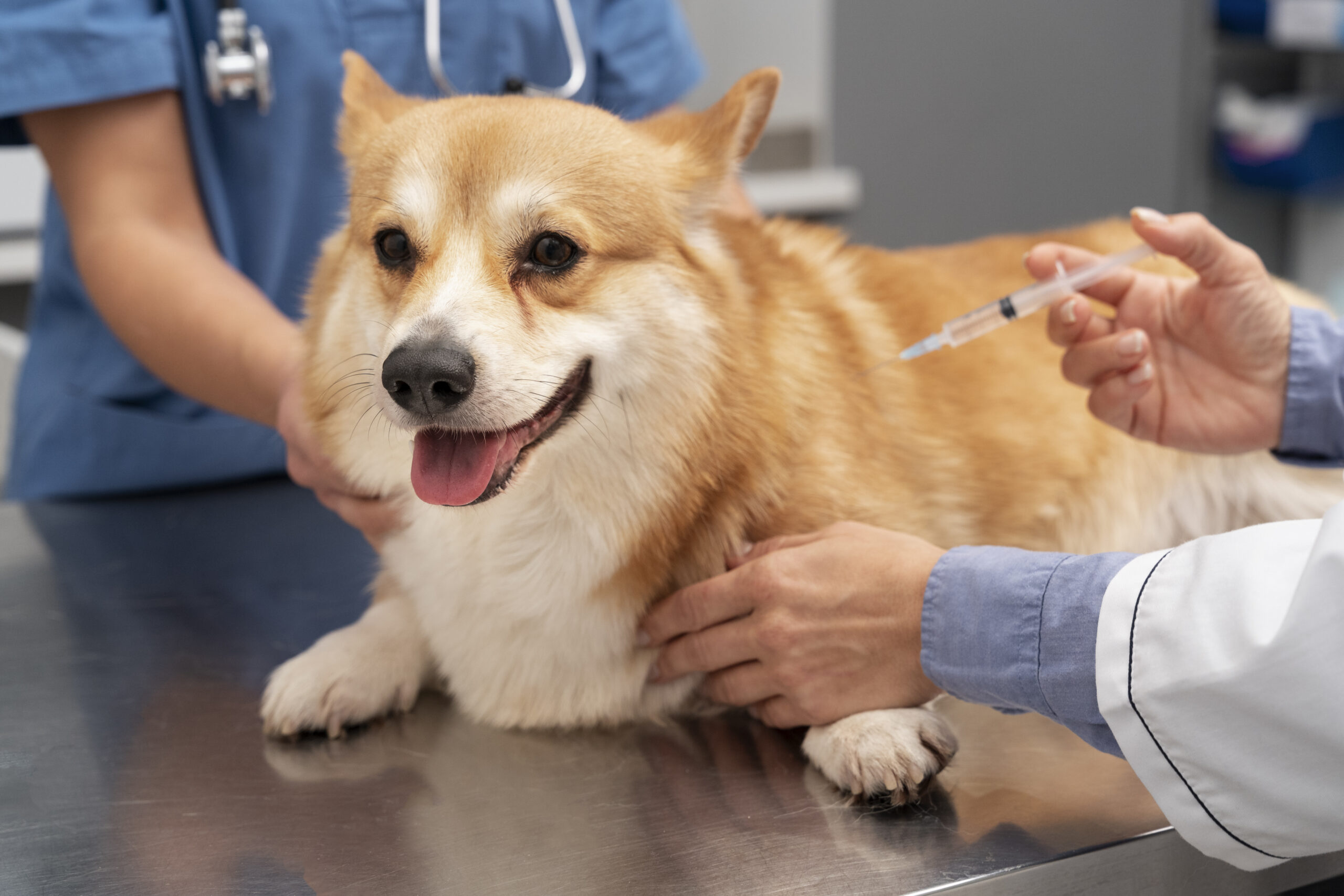
Vaccination in dogs is a key part of keeping your pet healthy. Many pet owners ask about the dog vaccination schedule, dog vaccine safety, and why vaccinate dogs at all. In this blog, you will learn what vaccination in dogs means, why it is important, and how to keep your dog safe. We will also cover common vaccines, the recommended schedule, and tips for dog owners. If you live in a city or rural area, these steps help protect your dog and your family.
What Is Vaccination in Dogs?
Vaccination in dogs means giving your dog a shot to protect against certain diseases. These shots help your dog’s body fight off germs. For example, vaccines can stop your dog from getting sick with rabies or parvovirus. Most vaccines use a tiny, safe part of the germ. This helps your dog’s body learn to fight the real disease later. As a result, your dog stays healthy and strong.
Why Vaccination in Dogs Is Important
Vaccines protect your dog from serious diseases. In addition, they stop the spread of illness to other pets and people. Some diseases, like rabies, can even spread to humans. Because of this, many cities and states require certain vaccines by law. Vaccines also help avoid costly treatments for preventable diseases. Therefore, keeping up with vaccines saves money and worry in the long run.
Common Vaccines for Dogs
Dogs need several key vaccines. Some are called “core” vaccines, which all dogs should get. Others are “non-core” and depend on your dog’s lifestyle or where you live. Here are the most common vaccines:
Recommended Dog Vaccination Schedule
Following a dog vaccination schedule helps keep your pet safe. Your vet will guide you, but here is a general plan:
Always ask your veterinarian for the best schedule for your dog. In some places, local laws may set the timing for rabies shots.
Safety and Possible Side Effects
Dog vaccine safety is a common concern. Most dogs have no problems after shots. However, some may have mild side effects. These usually go away in a day or two. For example, your dog may feel tired or have a small bump where the shot was given. Rarely, a dog may have a more serious reaction. If you notice anything unusual, call your vet right away.
According to the CDC and veterinary experts, the benefits of vaccination far outweigh the risks.
Tips for Dog Owners on Vaccination
Keeping your dog’s vaccines up to date is easy with a few simple steps. For instance, you can:
By staying informed, you help protect your dog and your community.
Frequently Asked Questions about Dog Vaccines
In summary, vaccination in dogs is a safe and smart way to protect your pet. For the best advice, consult Dr Shubham Pant for personalized vaccination advice for your dog.