
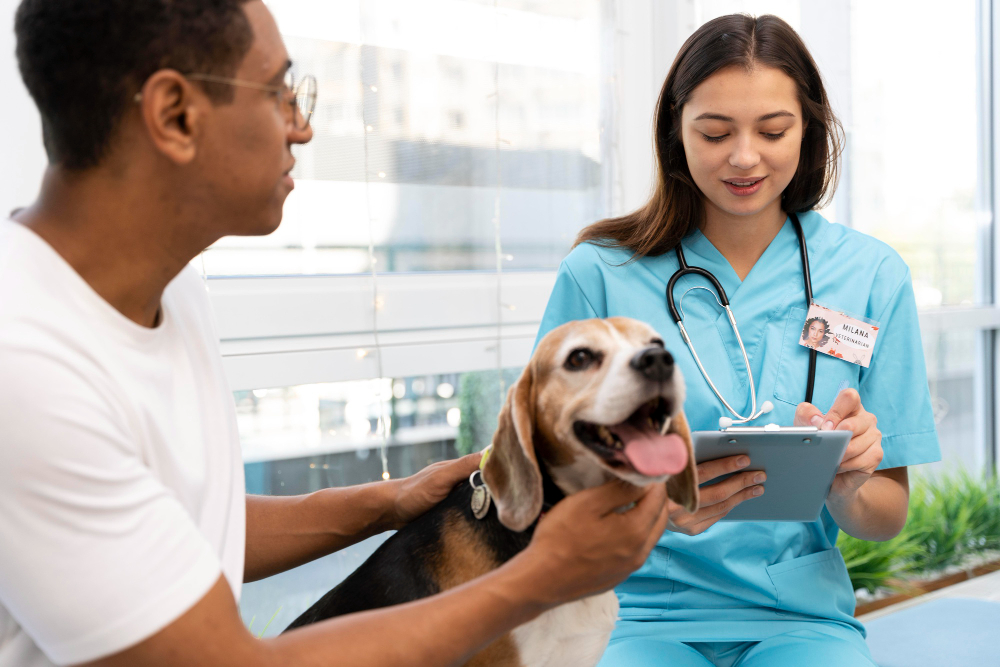
Many pet owners worry about how to calm pets at the vet. A visit to the clinic can be stressful for both pets and their families. However, keeping pets calm at the vet is important for their health and safety. When you reduce pet anxiety at the vet, you help your pet feel safe and make the visit easier for everyone. In this guide, you will find simple ways for a stress-free vet visit for pets. You will also learn about calming pets during veterinary appointments and how to prepare for a smooth experience.
Common Signs of Pet Anxiety at the Vet
Pets often show signs of stress when they visit the vet. Recognizing these signs can help you act quickly. For example, some pets may shake or hide. Others may pant or whine. Additionally, you might notice these signs:
Because every pet is different, watch for changes in their normal behavior.
Causes of Stress in Pets During Vet Visits
Many things can cause stress in pets during vet visits. For instance, new smells and sounds can be scary. The presence of other animals may also make pets nervous. In addition, pets may remember past visits that were painful or frightening. Some common causes include:
Understanding these causes can help you plan a stress-free vet visit for pets.
Practical Tips to Calm Pets at the Vet
There are many ways to help calm pets at the vet. First, stay calm yourself, as pets can sense your mood. Next, try these tips:
Moreover, ask your local vet clinic if they offer separate waiting areas for cats and dogs. This can help reduce pet anxiety at the vet.
Preparing Your Pet Before the Appointment
Preparation can make a big difference. Before the appointment, let your pet get used to their carrier or leash. For example, leave the carrier open at home with treats inside. This helps your pet see it as a safe space. Additionally, take short car rides to help your pet adjust to travel. If your pet is very anxious, talk to your vet about calming sprays or supplements. Always follow your veterinarian’s advice for your pet’s safety.
What to Bring for a Comfortable Vet Visit
Bringing the right items can help your pet feel secure. Consider packing:
Because familiar items smell like home, they can help calm pets during veterinary appointments.
Calming Techniques During the Appointment
During the visit, use gentle touches and calm words. For example, pet your dog or cat softly. Offer treats for good behavior. If your pet gets nervous, try distracting them with a toy. Some clinics allow you to stay with your pet during exams. Ask your vet if this is possible. In some cases, your vet may suggest anti-anxiety medications. Always use these only as directed by your veterinarian.
After the Vet Visit: Helping Pets Recover
Once you return home, give your pet time to relax. Offer extra cuddles and praise. If your pet seems tired or upset, let them rest in a quiet spot. For some pets, a favorite treat or playtime can help them feel better. Remember, a calm routine after the visit can help your pet recover faster.
When to Seek Professional Help
Sometimes, pets need extra help to manage stress. If your pet shows severe anxiety, talk to your veterinarian. Signs like aggression, self-harm, or refusal to eat may need special care. Your vet may suggest behavior training or refer you to a pet behaviorist.
In summary, knowing how to calm pets at the vet can make visits easier for everyone. For personalized advice, consult the best veterinarian Dr. Shubham Pant to know the best ways to keep your pet calm during vet visits.