
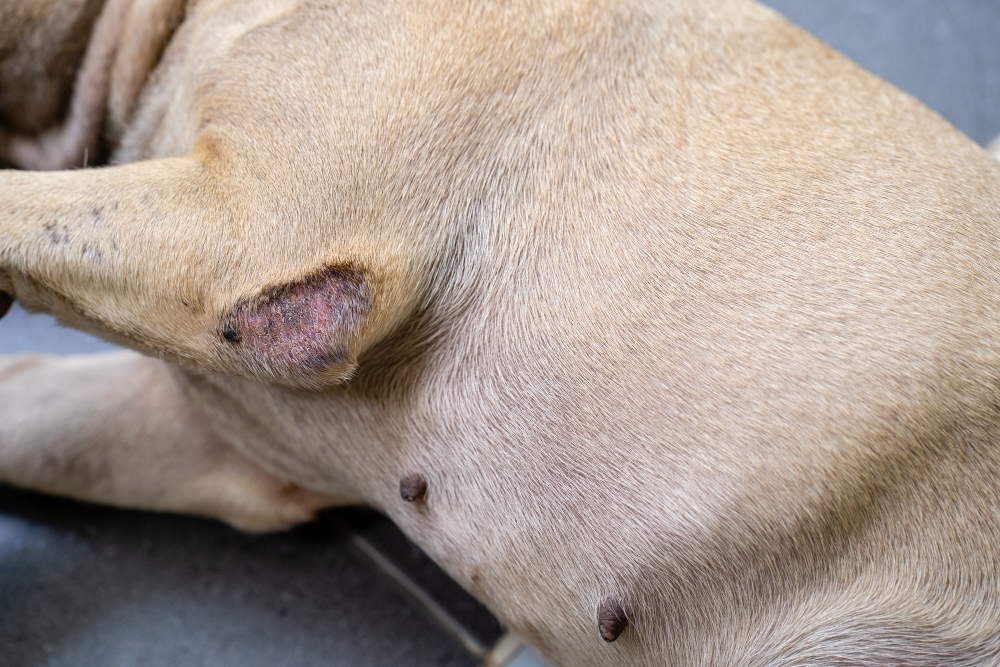
What Are Skin Allergies in Dogs?
Skin allergies in dogs are common. They cause itching, redness, and discomfort. Many dogs develop allergies to things in their environment, food, or even fleas. Because skin allergies in dogs can affect their quality of life, it is important for owners to recognize the signs early. According to the American Veterinary Medical Association (AVMA), allergies are a leading reason for vet visits.
Common Symptoms of Skin Allergies in Dogs
Dogs with skin allergies often show clear signs. However, not all dogs react the same way. Watch for these dog skin allergy symptoms:
Sometimes, you may also notice a bad smell from the skin. If you see any of these signs, your dog may have a skin allergy.
Main Causes and Risk Factors
Many things can trigger skin allergies in dogs. For example, some dogs react to pollen, dust, or mold. Others may be allergic to certain foods or flea bites. Here are the main causes:
Additionally, some breeds are more likely to develop allergies. Dogs with a family history of allergies are also at higher risk.
How Veterinarians Diagnose Skin Allergies in Dogs
Veterinarians use several steps to diagnose skin allergies in dogs. First, they will ask about your dog’s symptoms and history. Next, they will examine your dog’s skin closely. Sometimes, vets may perform tests, such as:
Because other skin problems can look like allergies, your vet may need to rule out other causes. Early diagnosis helps in treating dog skin allergies more effectively.
Effective Treatment Options
Treating dog skin allergies depends on the cause. However, most dogs need a mix of treatments. Your vet may suggest:
In some cases, antibiotics or antifungal medicines are needed if there is an infection. Always follow your vet’s advice for the best results.
Home Care and Lifestyle Tips for Managing Skin Allergies
At home, you can help your dog feel better. For instance, regular baths with gentle, vet-approved shampoos can remove allergens. Here are more tips:
With these steps, you can support your dog’s comfort and health at home.
Prevention Strategies for Dog Skin Allergies
While not all skin allergies can be prevented, you can lower the risk. For example, regular flea control is key. Also, try these strategies for preventing skin allergies in dogs:
Early action can help prevent mild allergies from becoming severe.
Conclusion
In summary, skin allergies in dogs are common but manageable. With early detection, proper treatment, and good home care, most dogs can live comfortably. Consult your veterinarian Dr. Shubham Pant for personalized advice on managing your dog’s skin allergies.