
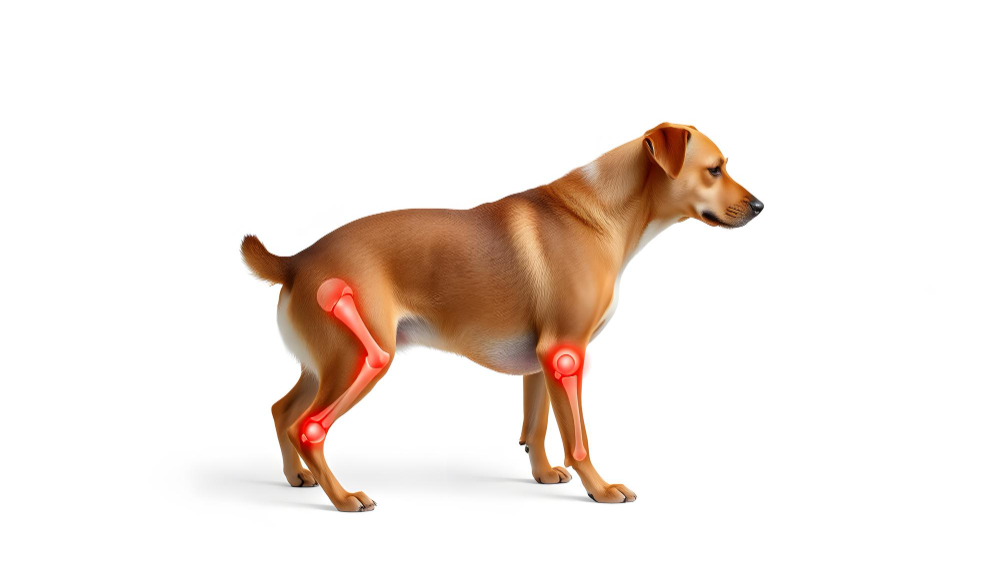
What is Arthritis in Dogs?
Arthritis in dogs is a common joint problem. It causes pain, swelling, and stiffness. Many older dogs develop arthritis, but younger dogs can get it too. The condition makes it hard for dogs to move and enjoy daily activities. Because arthritis is long-lasting, it needs ongoing care. Early help can make a big difference in your dog’s comfort.
Common Symptoms of Arthritis in Dogs
Recognizing dog arthritis symptoms early can help your pet feel better. While some signs are easy to spot, others may be subtle. For example, your dog may seem less playful or avoid certain movements. Look for these common symptoms:
However, not all dogs show every symptom. If you notice any changes, talk to your veterinarian.
Causes and Risk Factors
There are several causes of arthritis in dogs. Most often, it happens when the cartilage in the joint wears down. As a result, bones rub together and cause pain. Some dogs are more likely to get arthritis due to certain risk factors:
Because some risks can be managed, keeping your dog healthy is important.
How is Arthritis in Dogs Diagnosed?
Veterinarians use several steps to diagnose arthritis in dogs. First, they ask about your dog’s symptoms and medical history. Next, they perform a physical exam. During the exam, the vet checks for pain, swelling, and joint movement. Sometimes, X-rays or other tests help confirm the diagnosis. In some cases, blood tests rule out other problems. Early diagnosis helps start treatment sooner.
Treatment Options for Canine Arthritis
There are many ways to treat arthritis in dogs. The goal is to reduce pain and improve movement. Your veterinarian may suggest one or more of these options:
Because every dog is different, your vet will create a plan that fits your pet’s needs. Always follow your veterinarian’s advice for canine arthritis treatment.
Lifestyle Tips for Managing Arthritis in Dogs
Managing arthritis in older dogs often includes changes at home. Simple steps can help your dog stay comfortable. For example, you can:
With these tips, you can help your dog with arthritis enjoy life more.
Prevention and Early Detection
While not all arthritis can be prevented, some steps lower the risk. For instance, keeping your dog at a healthy weight helps protect joints. Regular exercise keeps muscles strong. Early vet visits can catch joint problems before they get worse. If your dog is a high-risk breed, ask your vet about screening. Early detection leads to better outcomes.
When to Consult a Veterinarian
If you notice signs of arthritis in your dog, contact your veterinarian. Even mild symptoms can mean joint problems. Because arthritis can worsen over time, early care is best. Your vet can recommend the right treatment and answer your questions. Never give human medications to your dog without your vet’s advice.
In summary, arthritis in dogs is common but manageable. With the right care, your dog can stay active and happy. Consult veterinarian Dr. Shubham Pant for personalized advice on managing arthritis in your dog.