
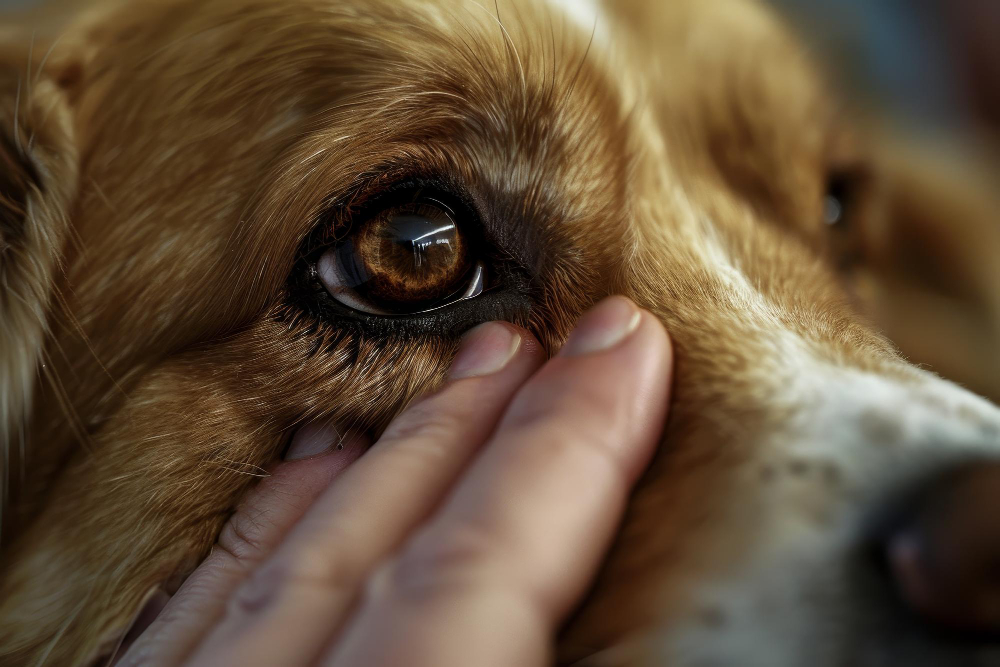
Overview of Eye Health in Dogs and Cats
Pets rely on their eyes to explore the world. Because of this, keeping their eyes healthy is important. Common eye problems in dogs and cats can affect their comfort and safety. For example, even small changes in your pet’s eyes may signal a bigger issue. Therefore, regular checks help you spot problems early. Good pet eye health means your dog or cat can enjoy life with clear vision. According to the American Veterinary Medical Association (AVMA), eye issues are among the top reasons pets visit the vet.
Common Eye Problems in Dogs
Dogs can develop several eye problems. Some are mild, while others need quick care. For instance, dog eye infection symptoms may include redness or swelling. However, not all eye issues are infections. Here are some common eye problems in dogs:
Because some breeds are more prone to these issues, knowing your dog’s risks can help. For example, flat-faced breeds often have more eye problems.
Common Eye Problems in Cats
Cats also face many eye conditions. While some are similar to those in dogs, others are unique. Cat eye discharge causes can range from simple irritation to infections. Here are some common eye problems in cats:
Because cats may hide pain, eye problems can go unnoticed. Therefore, regular checks are key for cat eye health.
Warning Signs Owners Should Watch For
Early detection helps prevent serious issues. But how can you spot eye issues in pets? Watch for these signs:
Because these signs can mean different problems, it is best to act quickly. For example, a simple discharge may be harmless, but it could also signal infection.
Causes and Risk Factors
Many things can cause eye problems in pets. For instance, infections, injuries, or allergies may lead to symptoms. Here are some common causes and risk factors:
Because some pets are more at risk, knowing your pet’s history helps. For example, older pets or those with chronic diseases need closer monitoring.
Diagnosis and When to See a Veterinarian
Prompt diagnosis is key for pet eye health. If you notice any warning signs, it is wise to contact your vet. Veterinarians use special tools to check the eyes. They may use drops to see scratches or measure eye pressure. Sometimes, they take samples to check for infection. Because early treatment can save vision, do not wait if your pet’s eyes look different. In many cities, pet eye care is available at animal hospitals or specialty clinics.
Treatment Options
Treatment depends on the cause. For example, infections often need eye drops or ointments. If your pet has dry eye, your vet may suggest artificial tears. Some problems, like cataracts or glaucoma, may need surgery. Because some treatments are long-term, follow your vet’s advice closely. Never use human eye medicine on pets, as it can be harmful. According to the World Small Animal Veterinary Association (WSAVA), proper treatment helps prevent lasting damage.
Tips for Preventing Eye Problems in Pets
Prevention keeps your pet’s eyes healthy. While not all problems can be avoided, these tips help reduce risks:
Because early care makes a difference, always watch for changes in your pet’s eyes. If you live in a city with hot, dry weather, extra care may be needed to prevent dryness or irritation. Consult Dr. Shubham Pant