
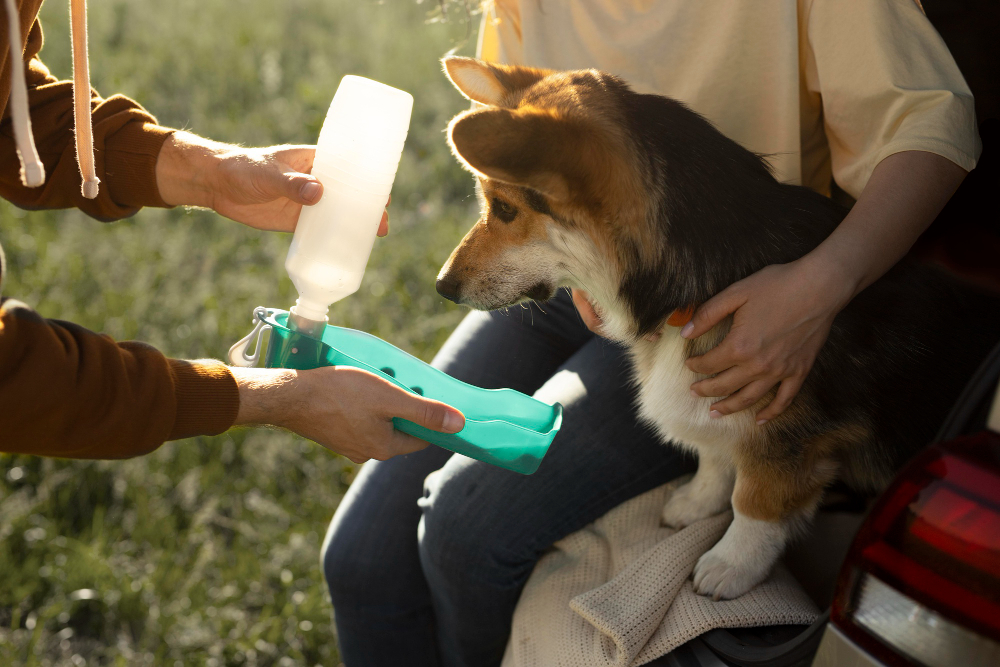
What Is Heat Stroke in Pets?
Heat stroke in pets is a serious condition. It happens when a pet’s body temperature rises too high. Often, this occurs during hot weather or after too much exercise. Dogs and cats cannot cool down as easily as humans. Because of this, they are at greater risk. First aid for pet heat stroke can save lives. According to the American Veterinary Medical Association (AVMA), heat stroke is a medical emergency for pets.
Common Symptoms of Heat Stroke in Pets
Recognizing heat stroke symptoms in dogs and cats is important. Early action can make a big difference. Watch for these signs:
Sometimes, pets may also seem restless or unable to stand. If you notice these symptoms, act quickly. Heat stroke can get worse fast.
Immediate First Aid Steps for Pets Suffering from Heat Stroke
If you think your pet has heat stroke, stay calm. Quick action is key. Here is how to help a pet with heat stroke:
While you give first aid for pet heat stroke, call your veterinarian. Even if your pet seems better, further care is needed.
When to Seek Veterinary Help
Although first aid helps, heat stroke is always an emergency. You should seek veterinary help if:
Even if symptoms seem mild, a vet should check your pet. Sometimes, damage from heat stroke is not obvious right away. Therefore, always consult a veterinarian for expert care.
Prevention Tips for Pet Heat Stroke
Preventing heat stroke in pets is easier than treating it. Here are some simple tips:
By following these steps, you can help keep your pets safe. Remember, some pets, like flat-faced breeds or older animals, are at higher risk.
Conclusion
In summary, first aid for pet heat stroke can save your pet’s life. Know the symptoms, act fast, and always seek veterinary help. If your pet shows signs of heat stroke, consult a veterinarian at Shalihotra’s vets immediately for expert care.