
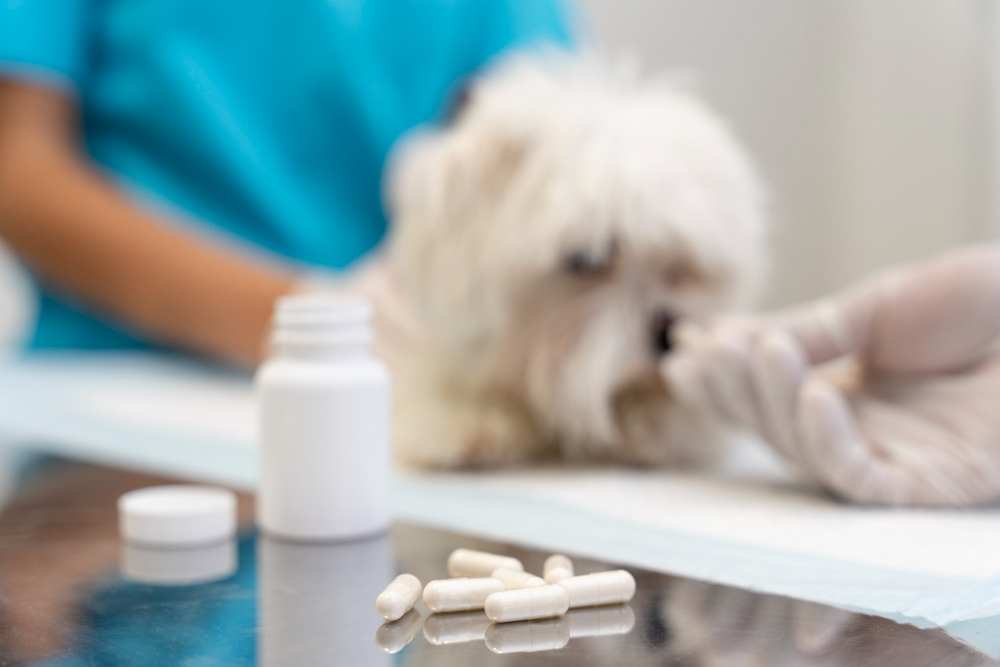
Many people keep paracetamol, also called PCM or acetaminophen, in their homes. However, paracetamol toxicity in pets is a serious risk. Even a small amount can harm dogs and cats. Because pets process medicines differently, what is safe for humans can be deadly for animals. In many cities, pet owners are not aware of these dangers. Understanding the risks can help keep your furry friends safe.
What is Paracetamol and Why is it Used?
Paracetamol is a common pain reliever and fever reducer. People use it for headaches, muscle pain, and colds. In some countries, it is called acetaminophen. Many families keep it in their medicine cabinets. While it helps people feel better, it is not safe for pets. Some pet owners may think it is okay to give pets human medicine. However, this can be very dangerous.
Why Paracetamol is Dangerous for Dogs and Cats
Unlike humans, dogs and cats cannot break down paracetamol safely. Because of this, even one tablet can cause harm. For example, cats are especially sensitive. Their bodies lack the enzyme needed to process PCM. Dogs are also at risk, but they may need a higher dose to get sick. Still, any amount can be unsafe. Acetaminophen danger for cats is well known among veterinarians. PCM poisoning in dogs can lead to serious health problems. According to the CDC and veterinary journals, paracetamol is never safe for pets.
Symptoms of Paracetamol Toxicity in Pets
Signs of paracetamol overdose in pets can appear within hours. Early treatment is important. Watch for these symptoms:
If you see these signs, seek help right away. Quick action can save your pet’s life.
How Paracetamol Toxicity is Diagnosed in Pets
Veterinarians use several steps to diagnose PCM poisoning in dogs and cats. First, they ask about your pet’s history. For example, they may want to know if your pet had access to medicine. Next, they check for symptoms. Blood tests can show if the liver is damaged. Sometimes, urine tests help find changes linked to paracetamol toxicity in pets. Early diagnosis is key to better outcomes.
Treatment Options for Paracetamol Poisoning in Dogs and Cats
Treatment depends on how much PCM your pet swallowed and how soon you seek help. Usually, vets may:
In some cases, pets need to stay in the hospital for care. Early treatment offers the best chance for recovery.
Prevention: How to Keep Pets Safe from Paracetamol Exposure
Preventing PCM poisoning in dogs and cats is easier than treating it. Here are some tips for pet medication safety:
For pet owners in cities or rural areas, these steps can help protect your animals. Always check with your vet before giving any new medicine.
Frequently Asked Questions about Paracetamol Toxicity in Pets
Don’t risk your pet’s health. Consult Dr. Shubham Pant for expert veterinary guidance and timely care.